The food truck scene is a vibrant tapestry of culinary creativity, but beneath the delicious surface lies a critical distinction: are you a self-promoting powerhouse or an event-dependent operator? Understanding this difference is key to long-term success, especially in an increasingly crowded marketplace.
The Two Flavors of Food Truck Business
The Self-Promoting Maverick: These food trucks are the entrepreneurs of the mobile food world. They actively seek out their own locations, cultivate a dedicated following, and treat their truck as a standalone business requiring consistent marketing effort. Think daily specials promoted on social media, unique branding that resonates with their target audience, and a proactive approach to finding customers. They understand that their success hinges on their ability to reach and engage directly with their patrons.
The Event-Dependent Caterer: On the other hand, many food trucks operate more like caterers. Their primary business model revolves around securing spots at pre-organized events – festivals, concerts, corporate gatherings, or private parties. They often rely heavily on event promoters to provide the audience, essentially functioning as a vendor within a larger ecosystem. While this can offer a steady stream of business, it often leads to a critical oversight: a lack of robust self-promotion.
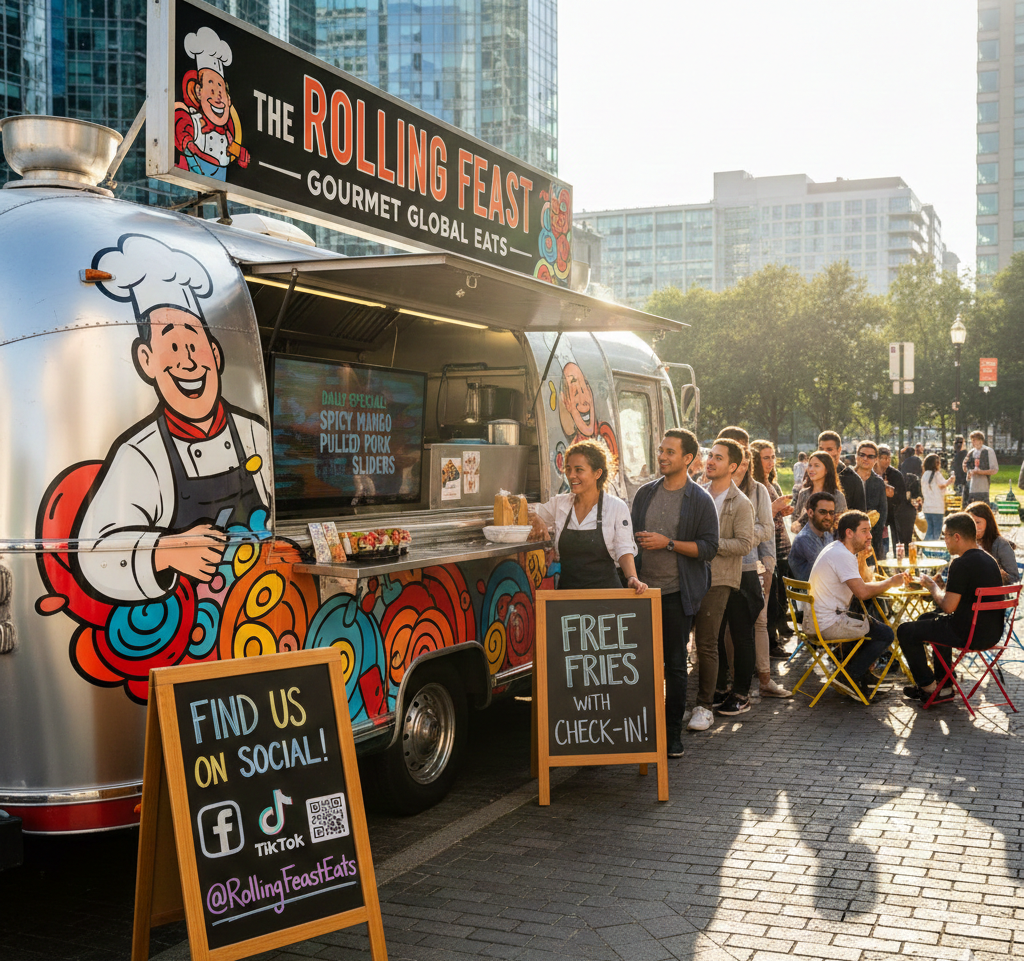
The danger for event-dependent trucks is that they become passive. They don’t invest in building their own brand recognition, developing a loyal customer base outside of event contexts, or actively reaching out to potential patrons. They often assume the event itself is their marketing, missing out on crucial opportunities to grow their business independent of external organizers. This often means they don’t capture customer information or build a direct relationship that can translate into future bookings or daily sales.
The Social Media Labyrinth: When Facebook Groups Become Gatekeepers
For food trucks attempting to self-promote, social media, particularly Facebook, often seems like the natural first stop. However, what many discover is a frustrating landscape of diminishing returns.
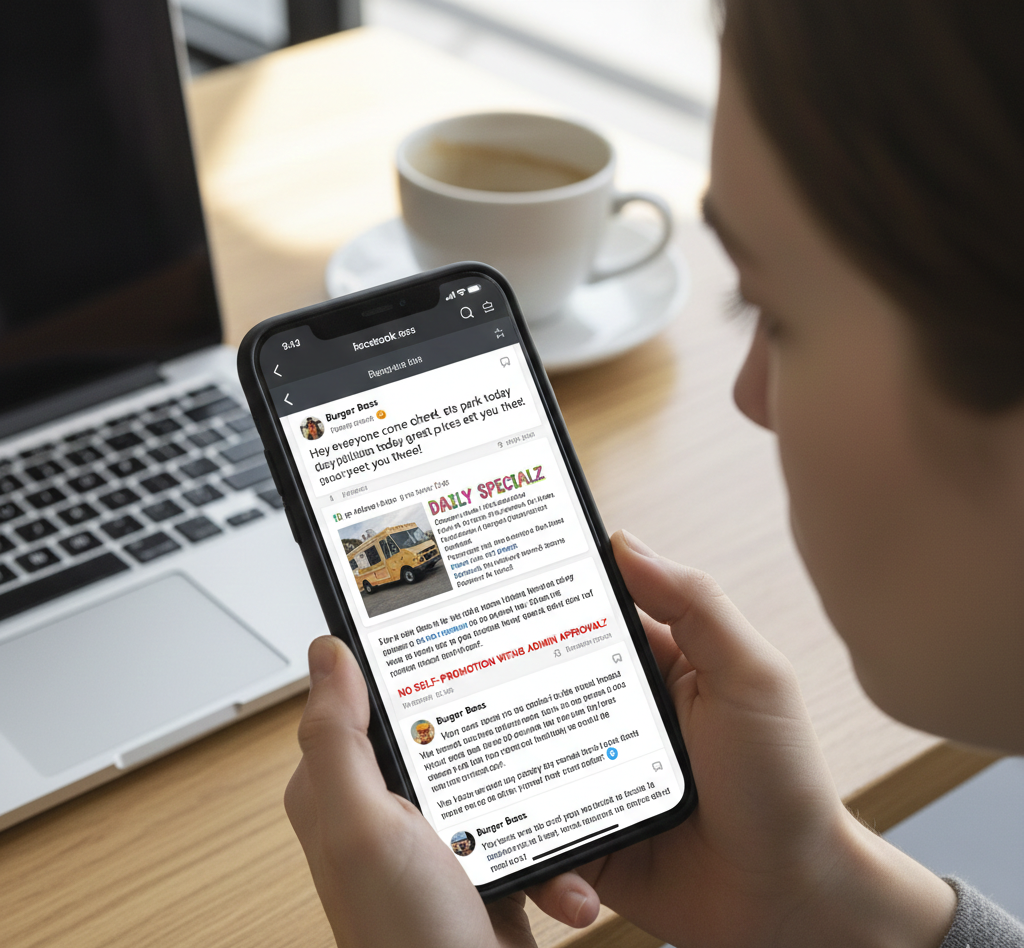
Facebook groups dedicated to local food scenes or food trucks, while seemingly helpful, can inadvertently act as gatekeepers. Group administrators, often well-intentioned, control the flow of information. The sheer volume of posts can quickly bury individual truck promotions. More critically, the format of posts – often simple text with a single image – struggles to convey dynamic information like changing locations, daily menus, or real-time updates effectively.
Moreover, Facebook’s algorithms continuously limit organic reach for business pages and even group posts. This means that even if you post diligently, only a fraction of your potential audience will ever see your updates. For a business as mobile and time-sensitive as a food truck, this lack of reliable reach is a significant hindrance.
The Search and Distribution Dilemma
Beyond individual groups, the broader search and distribution limitations on general social media platforms make it difficult for users to find food trucks. Imagine a customer craving a specific type of cuisine, but they don’t know which truck offers it or where it’s located today. They’re unlikely to scroll endlessly through a general feed or multiple Facebook groups hoping to stumble upon what they’re looking for. The disconnect between customer intent and discoverability is a major gap in the current ecosystem.
A Pinpoint Solution: Why Eventpin Trumps Single-Purpose Apps
This is where dedicated platforms can make a real difference. While apps like “FoodTruckFinder” exist, they often fall short because users are less likely to download an app with only a single, highly specific purpose. People have app fatigue; they’d rather use a platform that offers broader utility.
Enter Eventpin. Imagine a platform designed to connect users not just with food trucks, but with any event, large or small, public or private. Eventpin acts as a dynamic hub where food trucks can publish their real-time locations, daily menus, and upcoming schedules.
For self-promoting food trucks, Eventpin provides a direct line to customers actively searching for mobile culinary experiences. For event-dependent trucks, it offers an unparalleled opportunity to transcend their “caterer” mentality and build a direct customer relationship. They can post their event schedule, promote their presence, and even capture new followers who might seek them out at future locations.
Crucially, Eventpin positions itself as a broader event discovery tool. Users looking for things to do – including finding great food – are far more likely to download and regularly check an app that offers a comprehensive view of local happenings. This “event-first” approach makes Eventpin inherently more appealing and useful than a niche food truck locator app, giving food trucks a much wider and more engaged audience.
By leveraging a platform like Eventpin, food trucks can break free from the limitations of social media gatekeepers and fragmented search, empowering them to truly self-promote, connect with customers, and drive their business forward, whether they’re at a major festival or parked on a quiet street corner. The future of food truck marketing isn’t just about showing up; it’s about being found.